
History of Fawcett Lake Resort
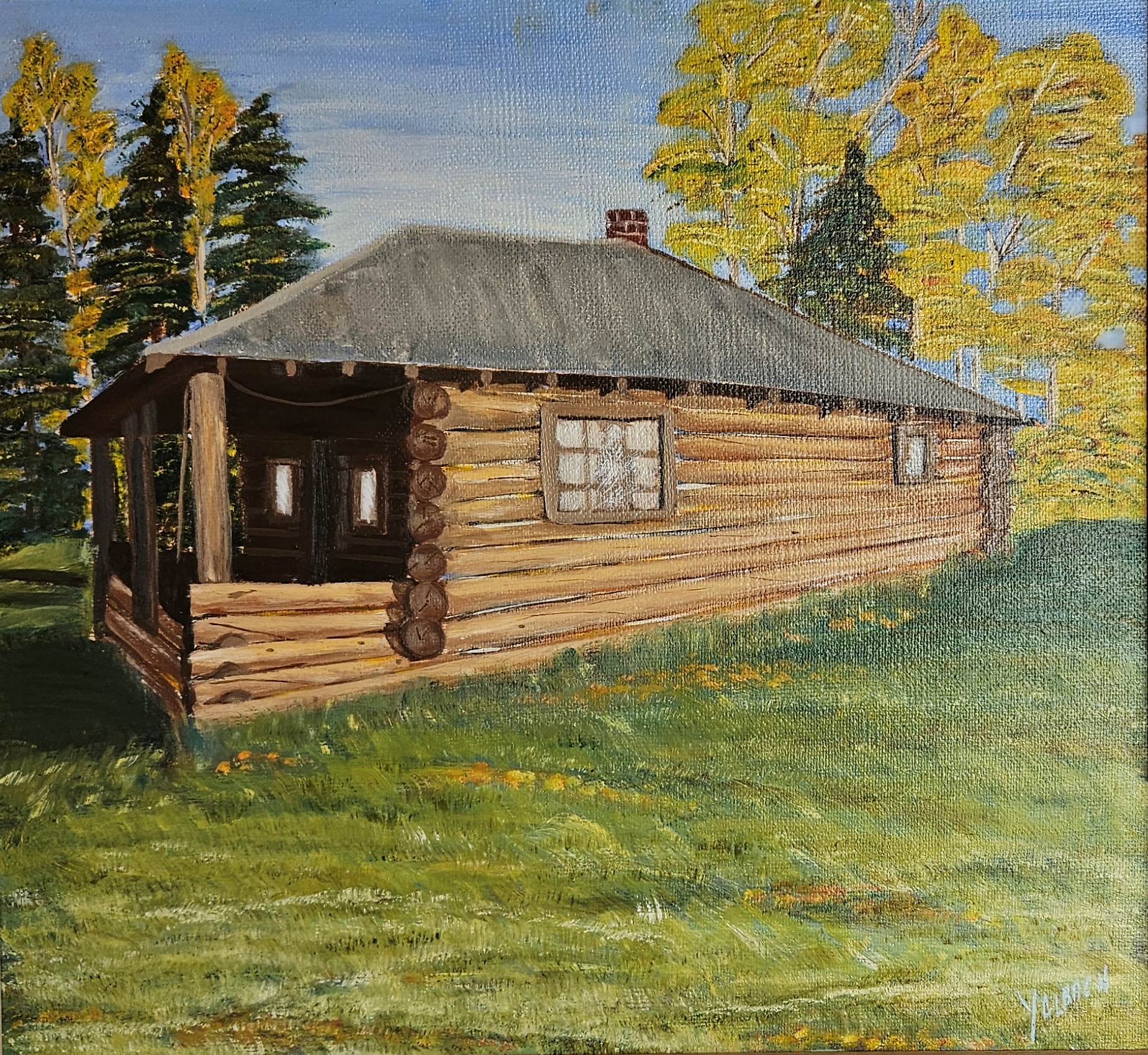
Painting by Yvonne Albach
This building was constructed in the 1940s along what is now Walleye Drive – North. At that time it was at the entrance to the east end of the lake and it continued to be the nicest residence in the area for decades. After 50 years it was no longer usable and had to be torn down.
Most of the history of East Fawcett Lake has been remembered through stories told to younger generations. Other than the recent past very little is known about the years gone by except that people have always been attracted to the lake because of its natural beauty and warm summer weather. As with many lakes in Alberta, archaeological studies have proven that Indigenous Peoples of the area would frequent the shoreline of the lake, specifically at the East End. It is likely that people have been coming to fish in the lake for thousands of summers but there is no evidence of any year round community being at East Fawcett Lake until the early 1900s. Just a few miles south of the lake the North West Company trading post of Mirror Landing was already a well-established river port community by 1799, which is a whole century before it became a popular stopping point for Klondike prospectors. The lake and the area of the 19th baseline was surveyed in 1912 by Sidney Dawson Fawcett and until then it was officially known as Moose Lake, a name that continued to be used locally for decades. By 1919 there was a store & trading post at the East End which would buy furs and sell supplies to local residents, who were mostly Métis. The area was already being visited regularly by residents of Moose Portage and Smith. The road to the lake was just a dry-weather trail for a horse cart or dog sled, and it approached the shore just north of what is now Perch Street. Well into the 1930s there was homesteading along this Moose Portage Trail and newcomers regularly interacted with existing residents at the lake sharing and mixing their diverse ways of life. Many of these settlers were war veterans but others came from Europe and the United States, and then later from drought affected southern Alberta. While some new people joined the existing community on the lakeshore, no homesteading occurred on what was to become Fawcett Lake Resort.
By 1937 there was an established permanent settlement at the East End of the lake where residents worked and played together, developing a vibrant culture of living outdoors. Regular social gatherings often included shared meals with guitars, fiddles, and dancing. Each fall, the anticipation of colder weather prompted renewed stories of the coming of a “Wild Man”, who was likely just “Old Man Winter” himself. People survived by fishing, hunting, and foraging, with harvests taken not just from nearby but from Howard Lake, Crooked (Paul) Lake, and areas beyond. There was even an island garden that was safe from the rabbits. Initially, trapping and commercial fishing were primary sources of income but then work also became available in the local industries of logging, mink ranching, ice harvesting, and of course, tourism. As early as 1924 articles in Edmonton newspapers promoted the fishing opportunities that could be found at Fawcett Lake. Eventually the area would become a regular weekend camping destination for hundreds of families. Local traditions such as campfire sing-alongs, summer camps, swimming lessons, and baptisms continued to be born at the lake with summer cookouts being a regular occurrence. Annual events such as “Winter Week”, a “Fall Fish Derby”, a “Quad Rally”, Canada Day celebrations and a “Quad Parade”, would become attractions eagerly anticipated each year. The history of the lake was destined to be filled with colourful tales of drifting sawdust, the ALCAN Highway, prisoners of war, a floating island, a Premier, “the Duke”, and a tugboat named “Edith”.
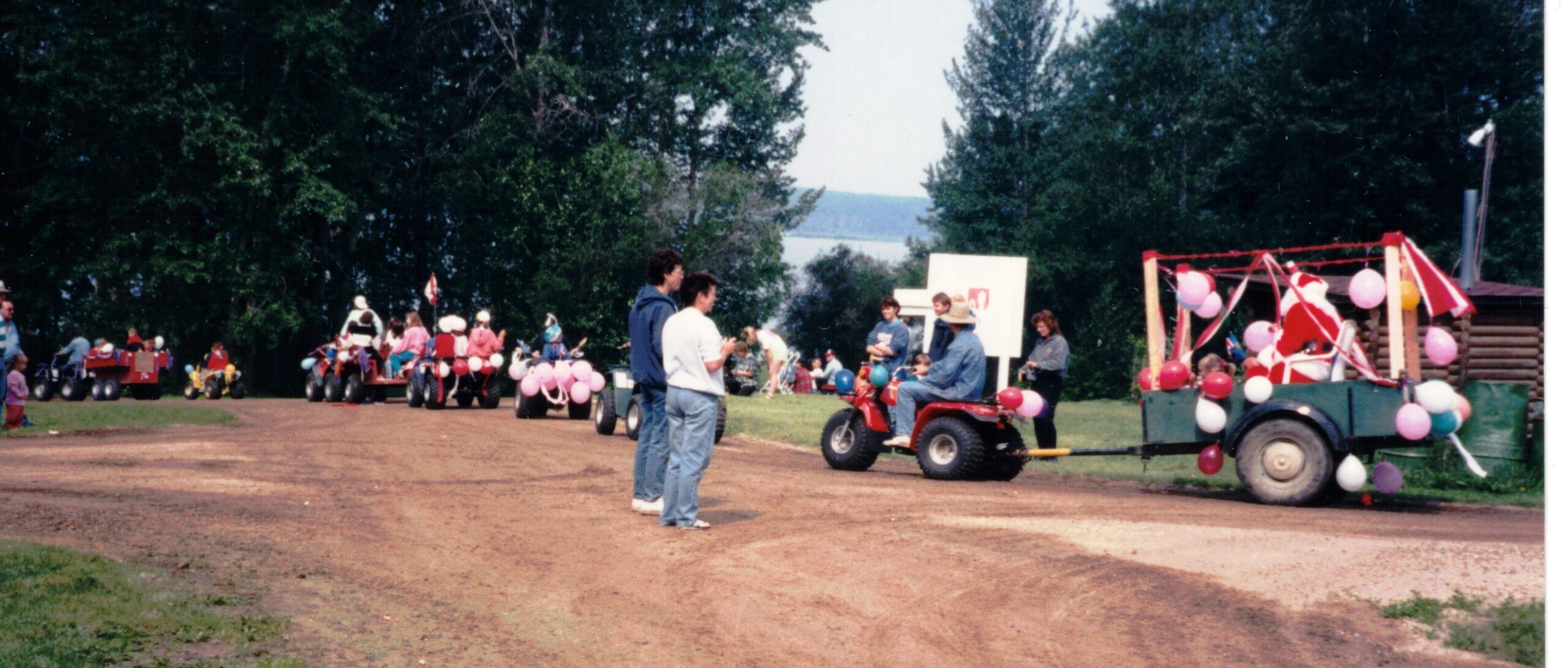
July 1995
Around 1990 several Annual Campers decided to have a parade to celebrate Canada Day. That began a tradition that still continues each year when kids of all ages show their Red & White pride and join the “Quad Parade” to tour the entire Resort on their way to the store for treats.
At the west end of the lake there was a different kind of development. The road was built in 1941 for access to a sawmill which operated there from 1942 to 1947. Logging was manually done along the south side of the lake as well as near both Howard Lake and Peter Lake. A tugboat moved the logs to the mill and workers stayed in a floating work camp at the East End. In the winter the logs were anchored to pilings driven into the lakebed and left waiting on the frozen ice until the spring thaw. Many of the workers were German soldiers captured after the sinking of their U-boats. They had volunteered for the northern prison placement and some immigrated back to the area after the war ended, having formed friendships with people from both ends of the lake. When the mill closed there was a large pile of sawdust left behind and, decades later, many still felt that after the wind would blow the sawdust would then wash up on the beaches all summer. Another private campground was soon to be opened at the west end. Eventually the old sawmill site became a Forestry Campground with a Forest Ranger cabin, and then became a Provincial Recreation Area.
The lake and the natural boreal forest encompassing it have always been a focus of special protection. Alberta Environment constructed a weir on the Fawcett (Moose) River in the 1940s to encourage the formation of wildlife habitat by permanently flooding the east lake. Before then “the Sloughs” at the East End were often dry enough that cattle would be summered there, having been driven across the frozen lake or shipped on a barge from the west end. At one time there was even someone who built a home in these “Meadows”. Efforts have been successful in relocating Elk into the area just south of the lake where a healthy and growing population can often be seen. The lake’s fish population became recognized as a valuable resource worthy of protection as early as the late 1970s with continued population studies and specifically controlled harvesting. The weir was later rebuilt in 1982 with the addition of a fishway. Then in the 1990s studies recommended a limit to the number of boats allowed on the lake. About the same time commercial fishing was closed for the lake, before it was later eliminated for the entire province. In 2025 logging was done at the East End to reduce the risk of wildfire in dry years. The year of 1935 was a wet year with heavy precipitation causing flooding in Moose Portage. Then again in 1983 heavy rainfall raised the lake to about 3 feet above its average recorded level for that time of year. A piece of floating swampland broke free and eventually settled on the beach at the East End, just south of the “Pink Cabin”. This island was promptly declared a “Natural Area”. It was estimated to be over two acres in size and took more than a decade to erode away. Much later a permanent Nature Preserve was identified nearby in 2012.
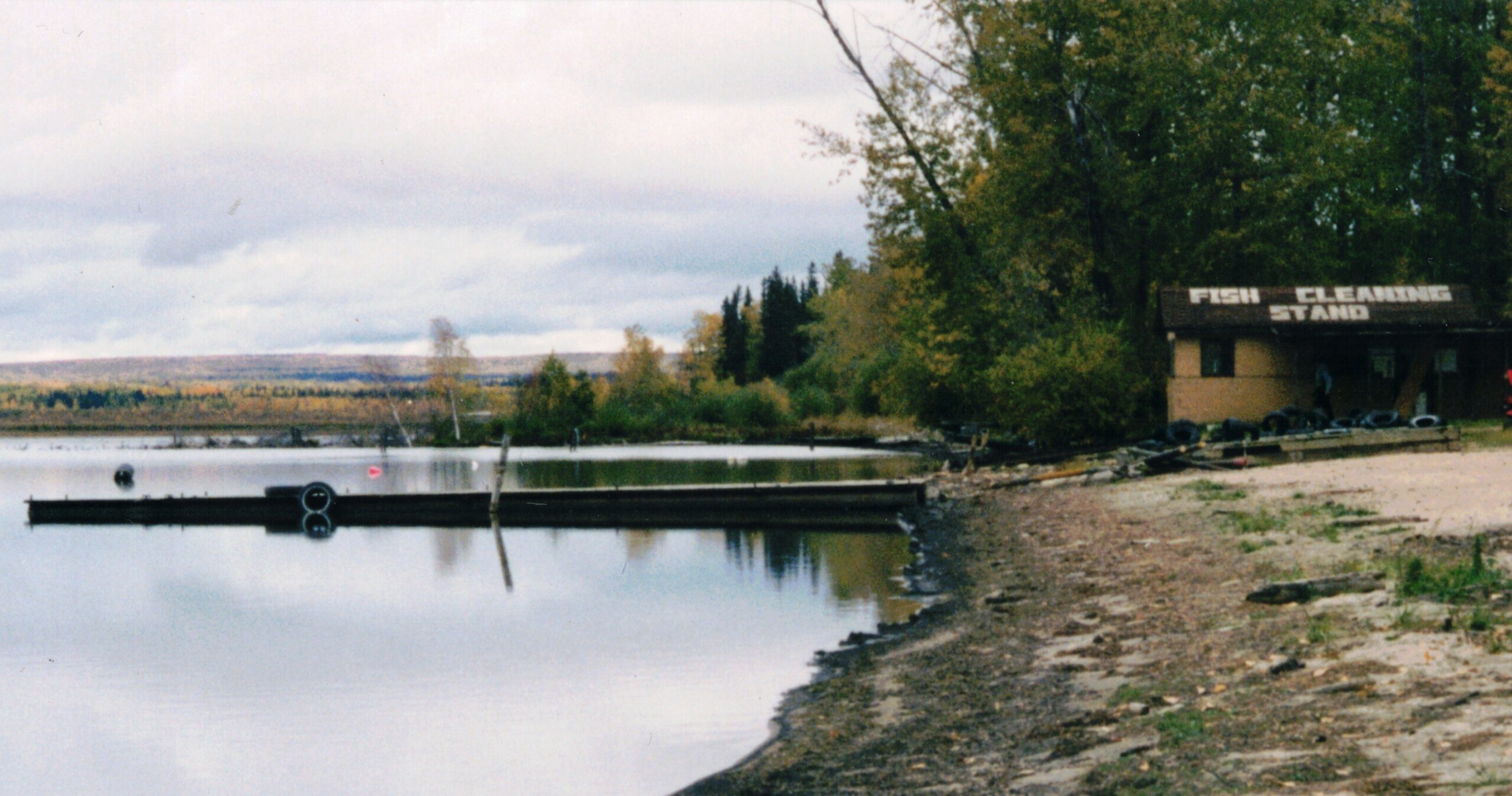
Mid-1990s
During the off season, the campground was a pretty quiet place. In this picture, the floating island can be seen on the shoreline in the background.
The railway came in 1914 and Mirror Landing was soon abandoned as people moved across the river to the new community of Smith. The road through Smith connecting it to both Athabasca and Slave Lake was built in 1928, although it would be several decades before this became the modern Highway #2. The ferry across the Athabasca River was replaced in 1944 by the iconic Smith Bridge, which was constructed by the US Army as they developed a route to Alaska. The last five miles of Fawcett Lake East Road was finally opened up around 1960 and at this time both Resort Road and the cutline continuing north were also cleared. The road to the East End would not be gravelled until the mid-1970s but it was much later that the slope up Hagerud’s Hill was significantly reduced and the road upgraded to allow all weather travel.
The lives of the people at East Fawcett Lake are forever interconnected with those who live in Moose Portage and Smith. Furs and commercial fish harvests were taken to Smith to be shipped by train. Any need for supplies or seasonal help in these areas would be answered by those who lived nearby. There are numerous memories of beach picnics and fishing trips, as they were a common get-away for those who lived further south. In addition, the Smith school and churches as well as the Junior Forest Wardens and Girl Guides all regularly held events at the lake that were supported and enjoyed by everyone from the surrounding communities.
Late in the 1940s the permanent settlement at the East End was mostly abandoned as people relocated to where their children would have access to a school. Although the old ways of trapping and commercial fishing continued well into the 1990s the main business of those who remained slowly became guiding and attracting seasonal campers. Broken Paddle campground opened and was later subdivided into private lots. The Municipal District Boat Launch was constructed in 1999. The features of the area were then promoted more actively to potential tourists in Edmonton, the rest of the province, and beyond.
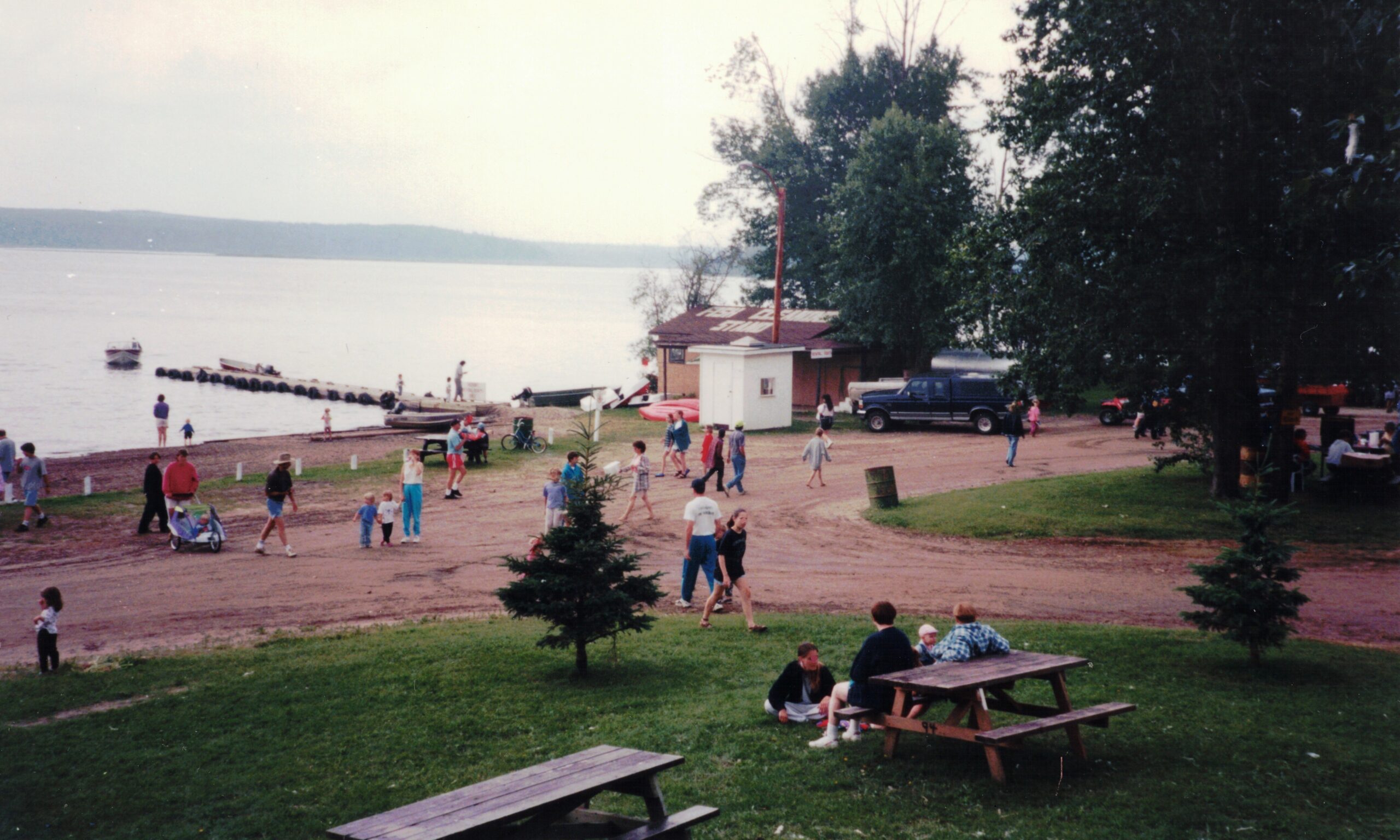
1995
Summertime made the Resort a busy place with over 350 campsites by the 1990s. To attract the daily campers there were other services such as boat rentals, firewood for sale and garbage removal after each weekend.
The year 1957 marked the official birth of Fawcett Lake Resort when the land containing the existing campground was first leased from the Alberta Government by Clarence & Eileen Cottom and Dunc Roberts. In addition to rental cabins, other community buildings were also constructed such as a picnic shelter, a cook house, and an ice shack. Eventually a power plant was installed providing electricity to some campsites and to the modern private cabins which started to appear as the business was developed. The reputation for good fishing was attracting campers so both a fish cleaning stand and a fish smoking hut were also built. Boats were available to rent which were maintained in “the Boat House”. A 1976 newspaper advertisement boasted of “access to thousands of acres of virgin land”. As ATVs became more popular this land quickly became known as good quad country. The nearby “Klondike Trail” was to be declared part of the “TransCanada Trail” system. Premier Ralph Klein came to the lake on a fishing trip. It is rumored that movie stars John Wayne, Marilyn Monroe, and friends did too. During this time there were several owners and managers who each continued to promote the Resort to residents of Edmonton and to the rest of Alberta.
The still growing business was purchased in 1979 by Jim Albach and Norm Biluk who, like others before them, had fallen in love with the lake. They quickly began making more improvements to the campground including bringing in electricity and drilling a better water well in the early 1980s. Many of the newer buildings continued to be used but very few structures from before 1957 remained. The historical “Old Log Cabin” built in the 1940s near the old entrance was still standing but it could not be salvaged and had to be torn down after almost 50 years of use. A new log community building quickly became a meeting place as well as a home for the Resort Store, a cafeteria, an arcade, and washrooms with showers and laundry facilities. Soon new property lines were defined and the larger land area was also purchased from the province. New access was cleared to the south and north-east and there were then over 350 cabins and campsites available, mostly for weekend use. Although there were many managers and partners, ownership of the Resort continued to stay in the Albach family who had grown to call it their summer home. Once again, in 2010, there were significant improvements made when the Resort was closed for a three-year construction period. A new power system was installed, new roads were built, and lots were then legally surveyed as the land was subdivided into a permanent campground. Daily camping was then ended and over 200 larger lake lots were offered for lease seasonally.
Fawcett Lake Resort had returned to its roots and become a seasonal camping community again. Including extended families, by 2021 it would be the place where approximately one thousand people would enjoy their lakelot. In spite of the many changes in the area the culture at that was formed so many years ago has lived on. Everyone who comes to the lake has their own approach to living outdoors. In turn, everyone adds to the ongoing tradition of appreciation for the beauty of nature. Being together with lake friends, either by having a cookout or sharing some campfire music or even just getting out on the water, will always be a part of life at the lake.
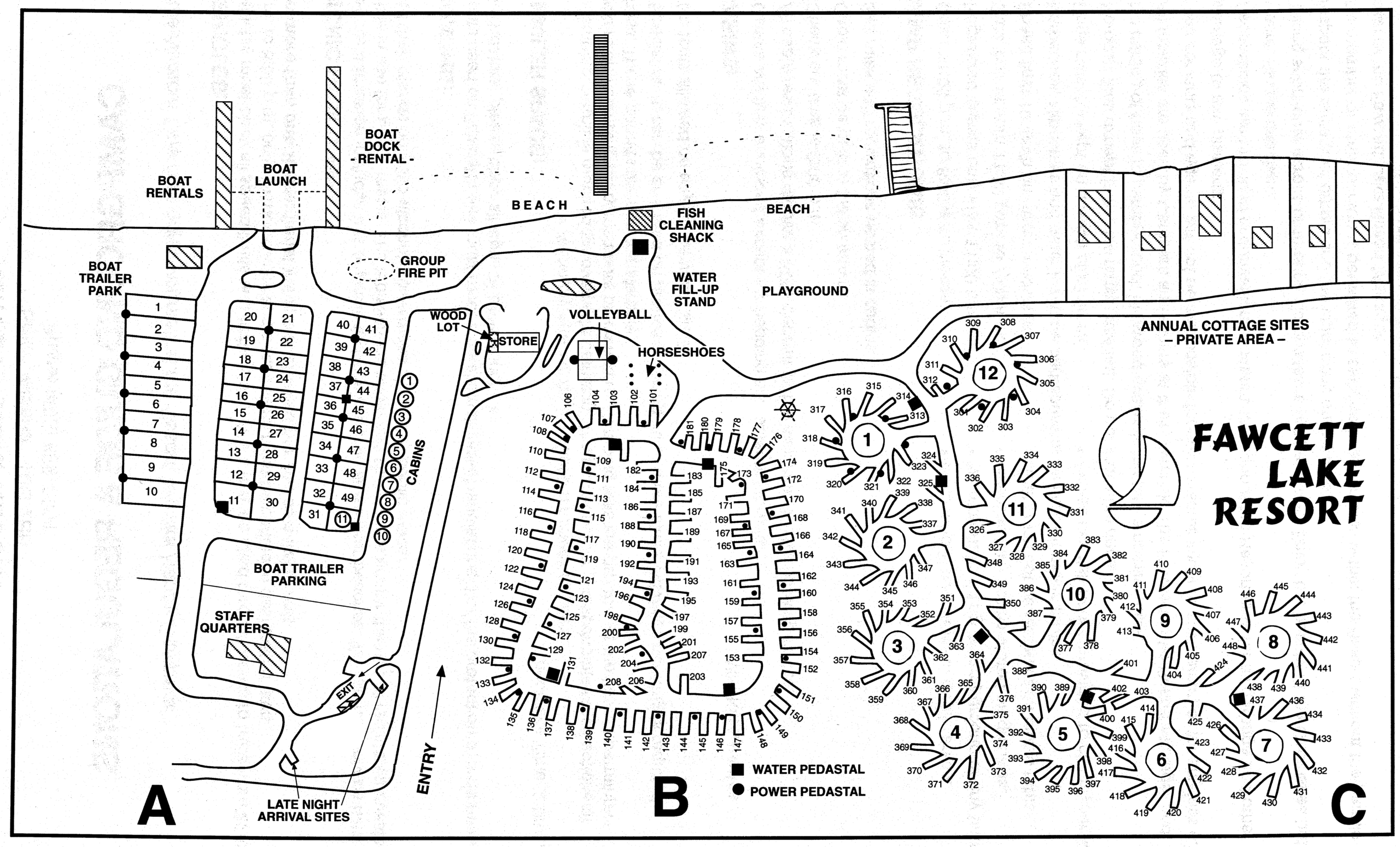
1980s and 90s
For over twenty years, this map was given to daily campers after they paid their nightly fees and went to find their campsite to set up. Notice the eleven rental cabins in what is now Deer Meadow and the twelve “Daisies” along what is now Spruce Lane.
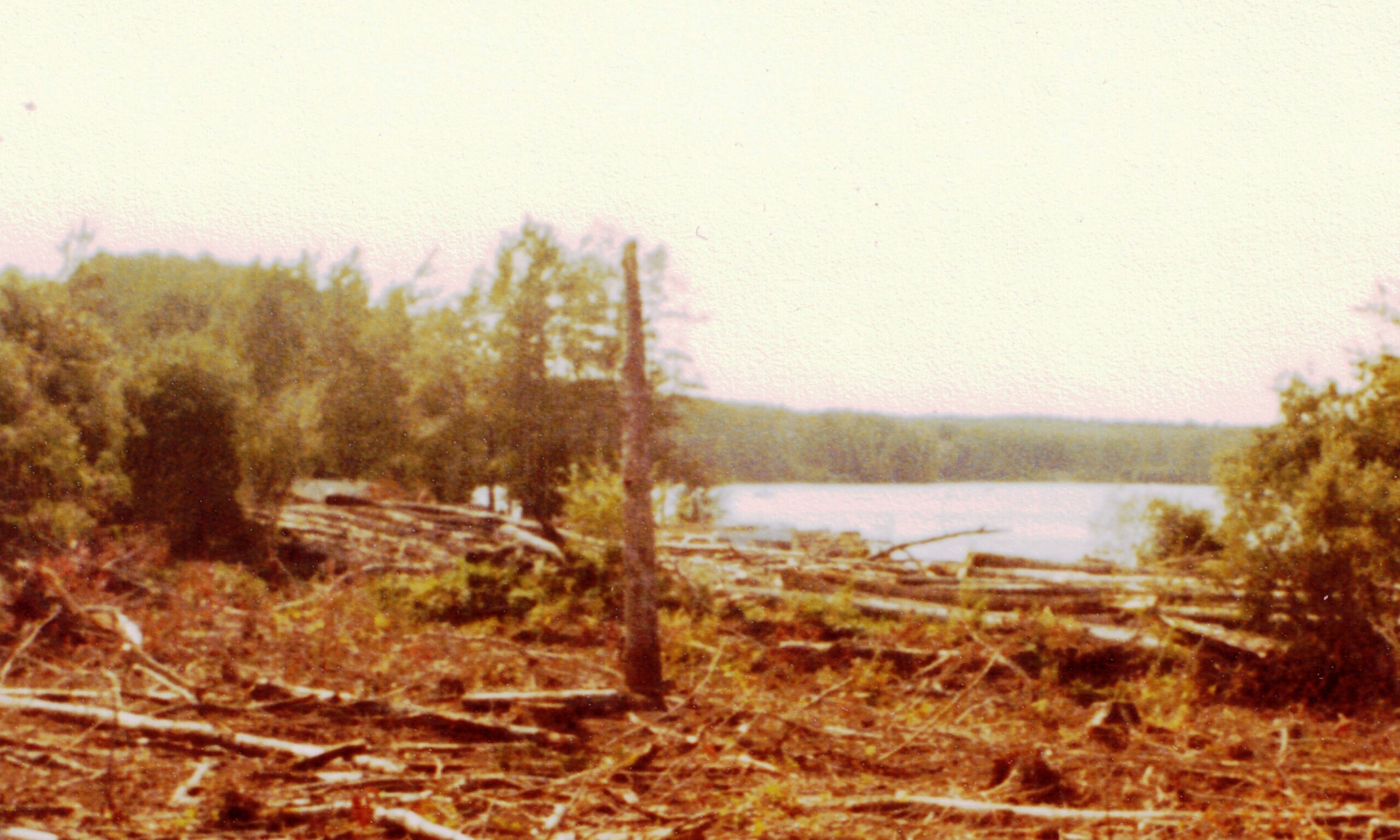
Early 1980s
In the early 1980s the southern part of the Resort behind the boat launch was cleared to make what is now Deer Meadow. This open area was needed to make room for pull-through campsites that could accommodate the new larger RV trailers that were over 30 feet long.
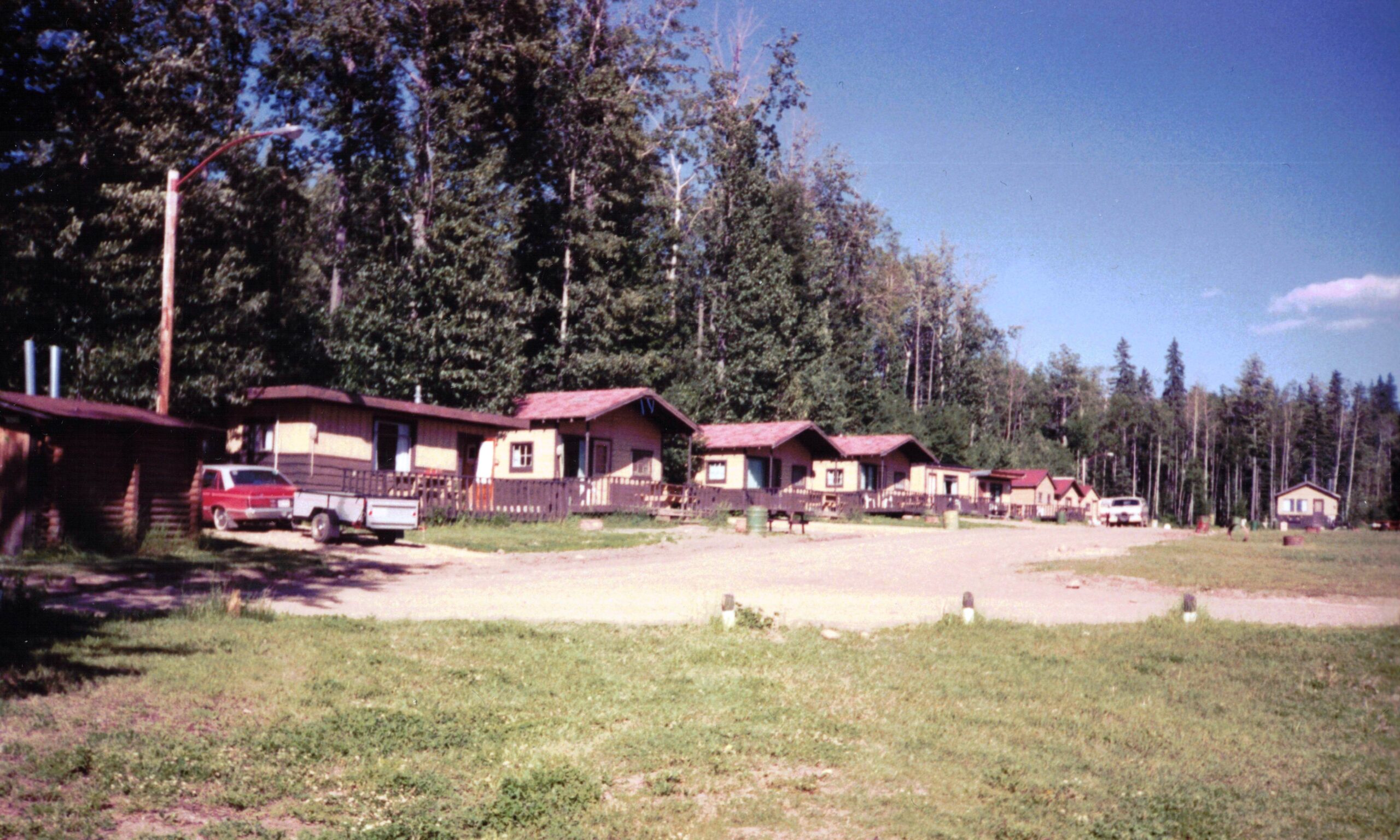
Mid-1980s
Eventually daily camping was limited to the area now known as Deer Meadow, with 11 cabins available for rent. When the entire Resort was changed to seasonal camping only, many of these cabins were then sold to Annual Campers who converted them into their summer home at the lake.
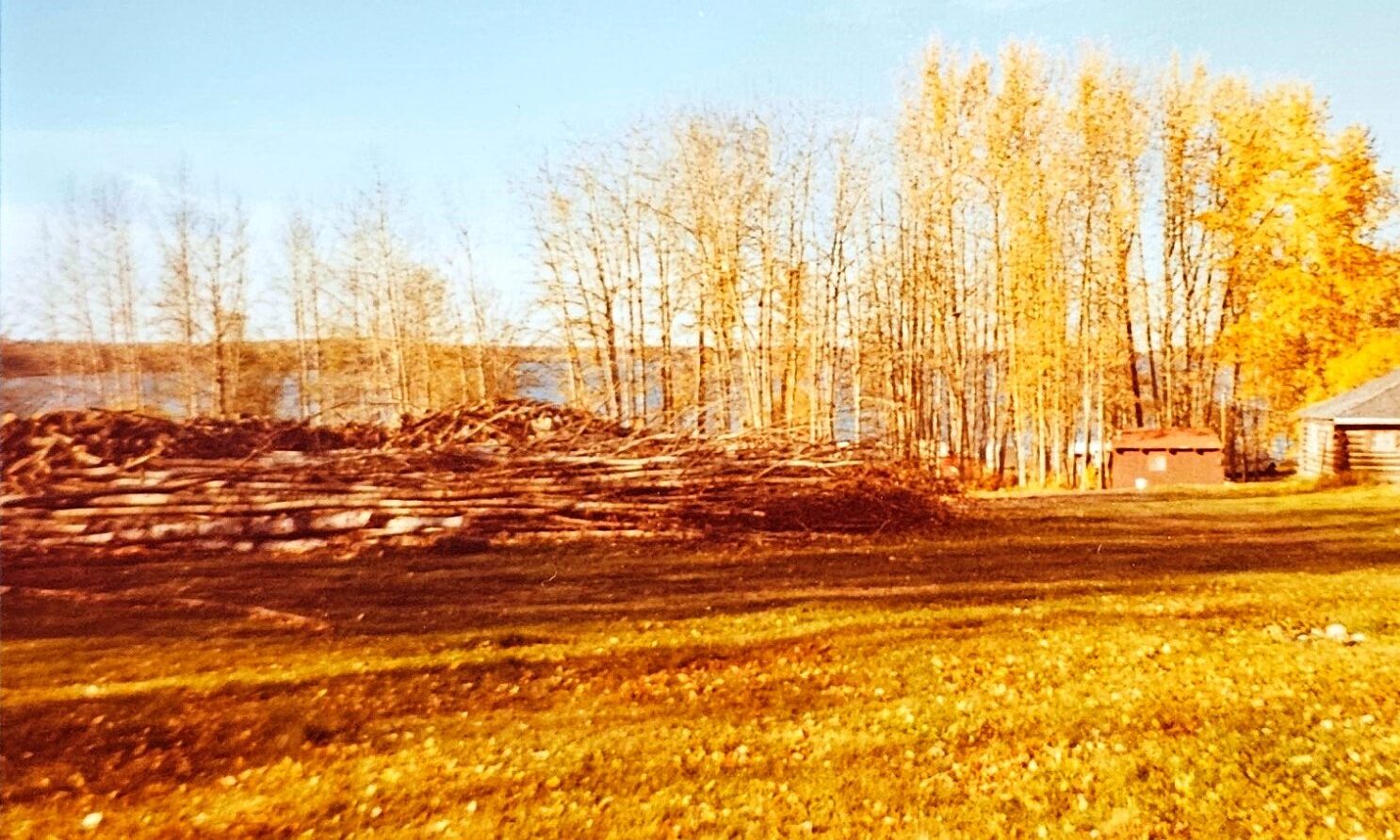
1980s
In the 1980s new access was cleared both to the south and north-east of the Resort making over 350 campsites available. Having been cut in the fall, these logs would have been temporarily stored on what is now Perch Street so they could be bucked up to sell as firewood the following summer. Notice the Old Log Cabin on the far right.
2001
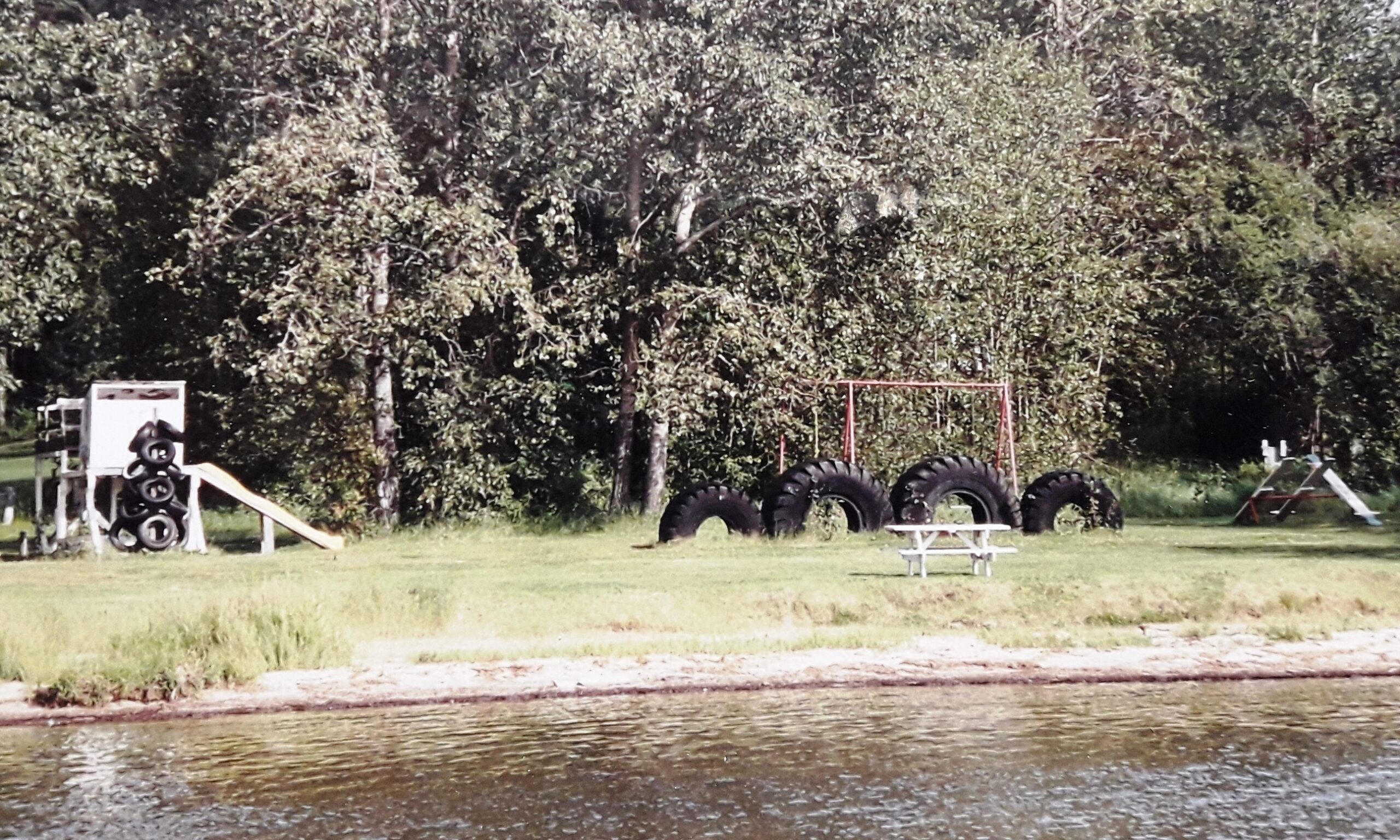
Before the 1980s daily campers would park their RVs right on the beach. People soon moved further from the water making room for the manager to build a playground for everyone to enjoy. Eventually the swing set and large tires were moved closer to the swimming beach and the area became lots 17 to 25.
2009
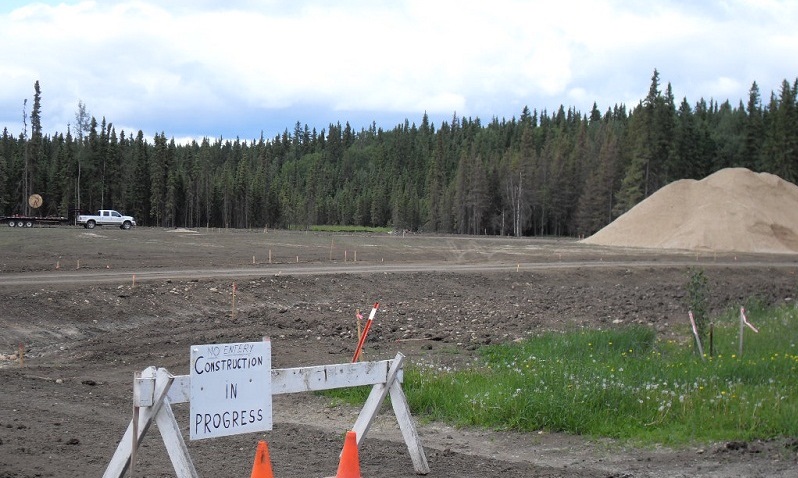
Approval was finally obtained in 2009 to subdivide the property and construction was begun to rebuild the Resort with modern roads and utilities. Gravel was stockpiled on lot 97 at the east end of Sunset View. In some wetter areas clay was packed to raise them as much as four feet.
If you feel that any of this information is in error or have additional information that should be added to this history, please contact Resort Management.
This history was prepared from the stories told by those who lived them, including stories appearing in the book “Echoes Along the Athabasca River” published by the Smith Half Century Plus Historical Book Committee in 1984. Thank you for keeping the memories alive for our children.